

5 Ways to Prepare Your Car for Winter
Winter driving can be challenging and sometimes dangerous if your vehicle isn't properly prepared for the colder months. Snow, ice, and freezing temperatures put extra stress on your car, affecting everything from tires to brakes to fluids. Taking the time to properly winterize your vehicle not only ensures your safety but also helps prevent costly repairs and prolongs the life of your car.
Preparing your car for winter doesn't have to be complicated. With a few proactive steps, you can make sure your vehicle is ready to handle whatever the season throws at it. In this article, we'll discuss five essential ways to get your car ready for winter and highlight why regular maintenance, including auto brake repair, is critical during the colder months.
1. Inspect and Replace Tires
One of the most important aspects of winter preparation is ensuring that your tires are in good condition. Cold temperatures can cause tire pressure to drop, and worn tread can make it harder to maintain traction on icy or snowy roads. Checking tire pressure regularly and adjusting it to the recommended levels helps maintain control and safety.
Additionally, examine your tires for uneven wear, cracks, or bald spots. If necessary, invest in a new set of winter tires or all-season tires with good tread depth. Winter tires are designed to provide better grip in snow and ice, which can prevent accidents and make driving less stressful. Rotating your tires and checking alignment also ensures even wear and optimal performance throughout the season.
Finally, keeping an emergency kit with items like tire chains, a portable air compressor, and a snow shovel can be a lifesaver if you encounter unexpected winter conditions. Proper tire maintenance is the foundation for safe winter driving, and it's one of the simplest ways to prepare your car for the season.
2. Check and Maintain Brakes
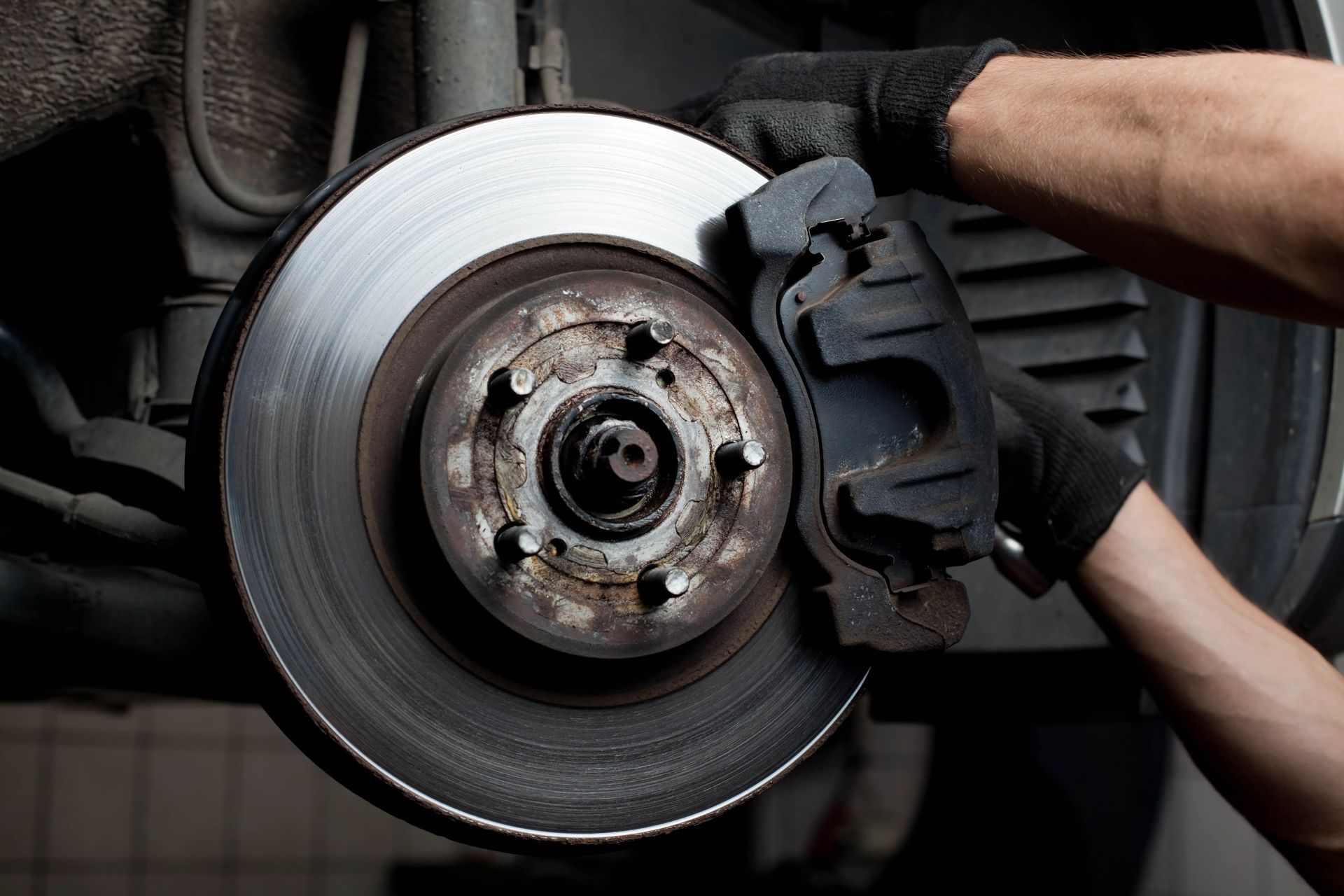
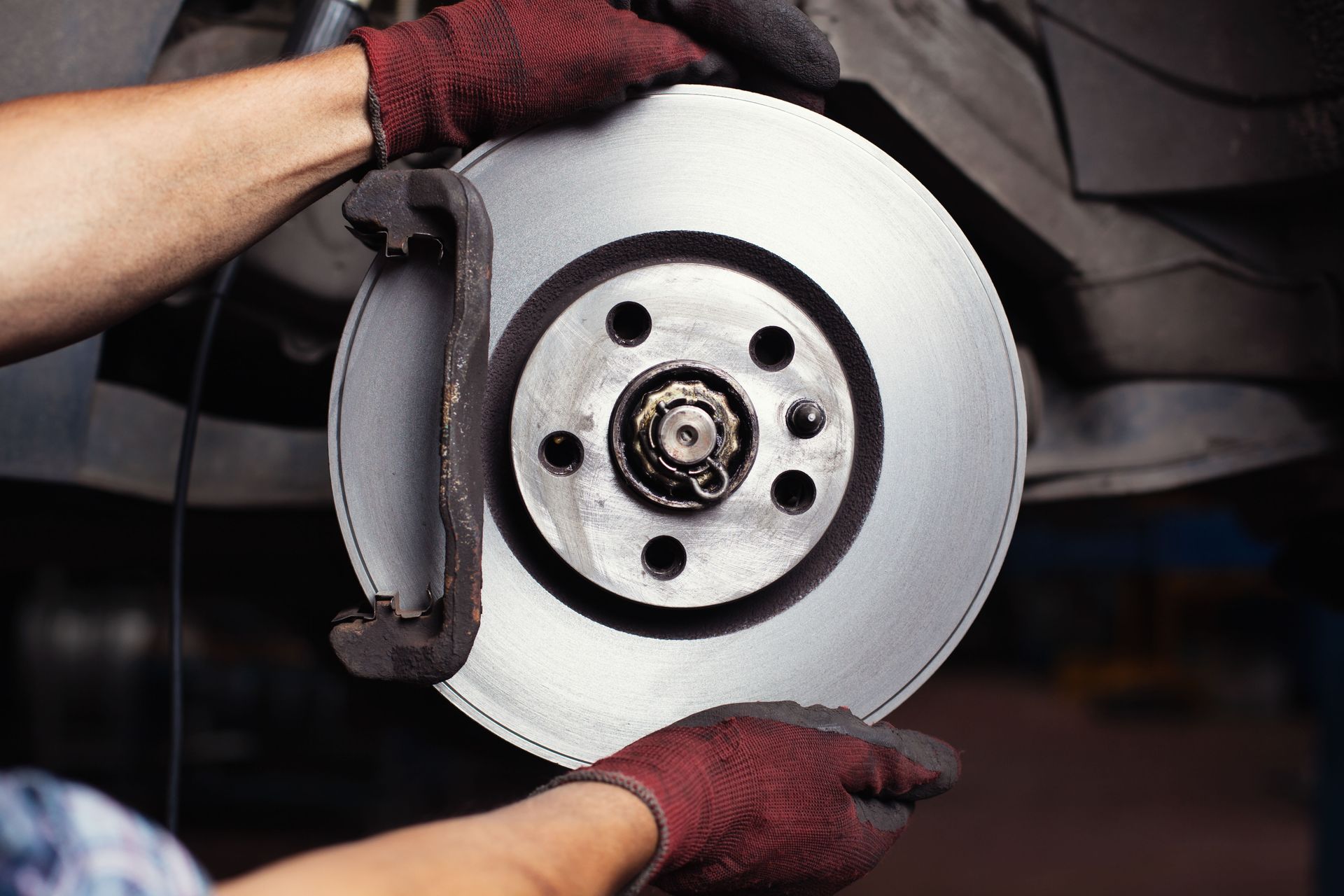
Brakes are one of the most critical components for safe winter driving. Cold weather, wet roads, and icy surfaces increase stopping distances, making fully functional brakes essential. Inspect your brake pads, rotors, and brake fluid levels before the first snowfall. Any signs of wear or damage should be addressed immediately.
According to Kelley Blue Book, after 50,000 miles, you will usually need to replace your brakes. This makes it even more important to schedule auto brake repair if your vehicle has reached or exceeded that mileage. Regular maintenance ensures that your brakes respond effectively when you need them most and prevents accidents in hazardous winter conditions.
Even if your brakes seem to be functioning normally, winter driving puts extra stress on the braking system. A professional inspection can detect issues that may not be obvious, such as worn rotors, low brake fluid, or uneven pad wear. Taking the time for proper auto brake repair and maintenance protects both your safety and your investment in your car.
3. Test and Replace Fluids
Fluids in your vehicle perform critical functions, and cold temperatures can affect their performance. Engine oil, coolant, windshield washer fluid, and brake fluid all need to be checked and, if necessary, replaced with winter-appropriate versions.
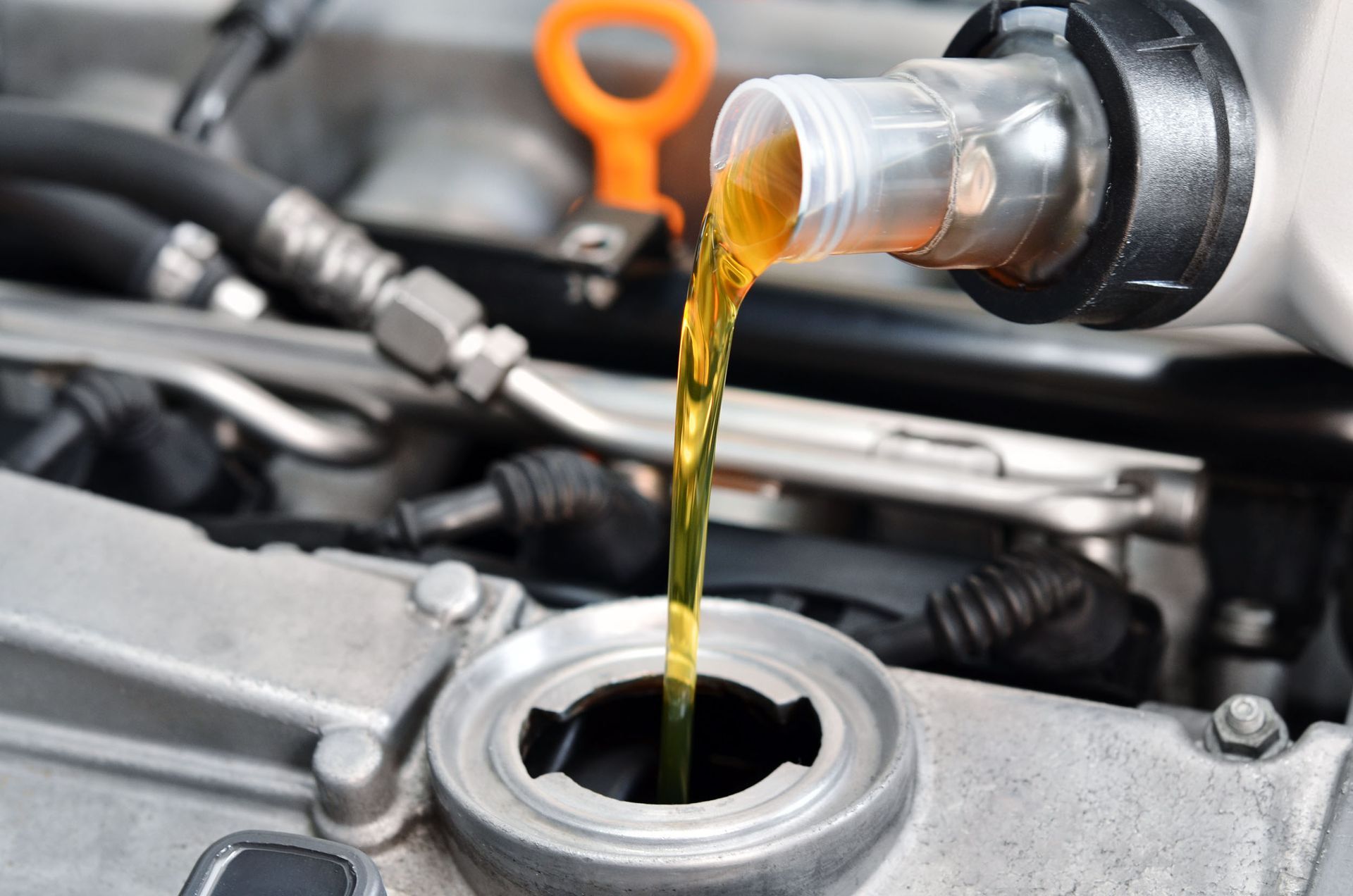
Engine oil, for example, can thicken in freezing temperatures, making it harder for your engine to start and run efficiently. Switching to a thinner, winter-grade oil ensures proper lubrication and prevents unnecessary wear. Similarly, antifreeze or coolant prevents your engine from freezing and protects it from corrosion. Check the mixture and top it off as needed to maintain the correct balance.
Windshield washer fluid is another essential element for winter safety. Make sure it is rated for low temperatures so it doesn't freeze while you're driving. Visibility is critical when roads are icy or snow-covered, and a clean windshield helps prevent accidents. Ensuring that all your fluids are in good condition is a simple step that can prevent bigger mechanical problems down the road.
4. Inspect Battery and Electrical System
Cold weather can place extra strain on your car's battery and electrical components. Batteries lose efficiency in freezing temperatures, and a weak battery can leave you stranded when you need your vehicle the most. Have your battery tested before winter and replace it if it shows signs of weakness. Ensuring your battery is in peak condition also reduces the likelihood of sudden failures during long trips or in remote areas, where help might not be readily available.
Check the terminals for corrosion and ensure all cables are tightly connected. While you're at it, inspect your vehicle's lights, windshield wipers, and heater system. Winter driving often involves reduced daylight, snow, and fog, making fully functioning lights and wipers crucial for safety. A reliable battery and electrical system also ensure that features like defrosters, heated seats, and rear window defoggers operate properly, making winter driving more comfortable and reducing the risk of accidents caused by impaired visibility.
Additionally, consider keeping a battery jumper or portable charger in your car. Unexpected battery failures can happen even with proper maintenance, and having backup power can save time, stress, and potential towing costs. Routine checks of your alternator and charging system are also recommended, as these components work hand-in-hand with the battery to keep your car running smoothly. Maintaining your battery and electrical system is a preventive measure that enhances safety and reliability throughout the winter season, giving you peace of mind no matter the weather conditions.
5. Prepare an Emergency Kit
Even with proper maintenance and inspections, winter weather is unpredictable. Being prepared for emergencies can make a big difference if you become stranded or stuck in the snow. A winter emergency kit should include items like a blanket, extra clothing, gloves, a flashlight with fresh batteries, a first aid kit, non-perishable snacks, bottled water, and a snow shovel.
It's also wise to include items specific to vehicle recovery, such as ice scrapers, tire chains, jumper cables, and a bag of sand or cat litter for traction. These tools can help you get back on the road safely and quickly in case of slippery conditions or minor accidents. Being prepared gives you peace of mind and ensures you're not caught off guard during severe weather.
Planning ahead and having the right equipment can also reduce the risk of accidents. If you are stranded in the cold, having food, water, and warmth can prevent hypothermia and other cold-related health risks. While proper vehicle maintenance is essential, your personal safety also depends on being ready for unexpected situations.
Winter driving can be challenging, but with proper preparation, you can significantly reduce the risks and drive with confidence. Inspecting tires, maintaining brakes, checking fluids, ensuring your battery and electrical system are in good condition, and preparing an emergency kit are all essential steps in winterizing your car.
Regular auto brake repair, fluid maintenance, and thorough inspections not only improve safety but also help extend the life of your vehicle. By taking the time to prepare your car for winter, you can enjoy a safer, more comfortable driving experience and avoid costly repairs or accidents. Don't wait until the first snow falls; start your winter preparation today, and drive with peace of mind knowing your car is ready for the season.
Ensure your car is ready for winter with a thorough inspection and maintenance. Contact Tap Automotive today for expert auto brake repair, fluid checks, and full winter readiness services to keep you safe on the road all season long. Don't wait until the cold hits, schedule your appointment now and drive with confidence.
Share On: