
10 Services to Turn to Auto Repair Shops For
A steering wheel that starts to shake on the highway can feel a lot like one that shakes while slowing down. To a mechanic, the difference is a clue about where to look. Knowing when a symptom occurs can help narrow down what needs attention, especially when several parts could produce a similar sensation.
The same attention to detail matters when the car seems perfectly fine. An oil change or transmission fluid service still calls for choices specific to the vehicle. From routine maintenance to deeper repairs, here are ten jobs where the tools and judgment available at auto repair shops make a difference.
1. Changing Engine Oil
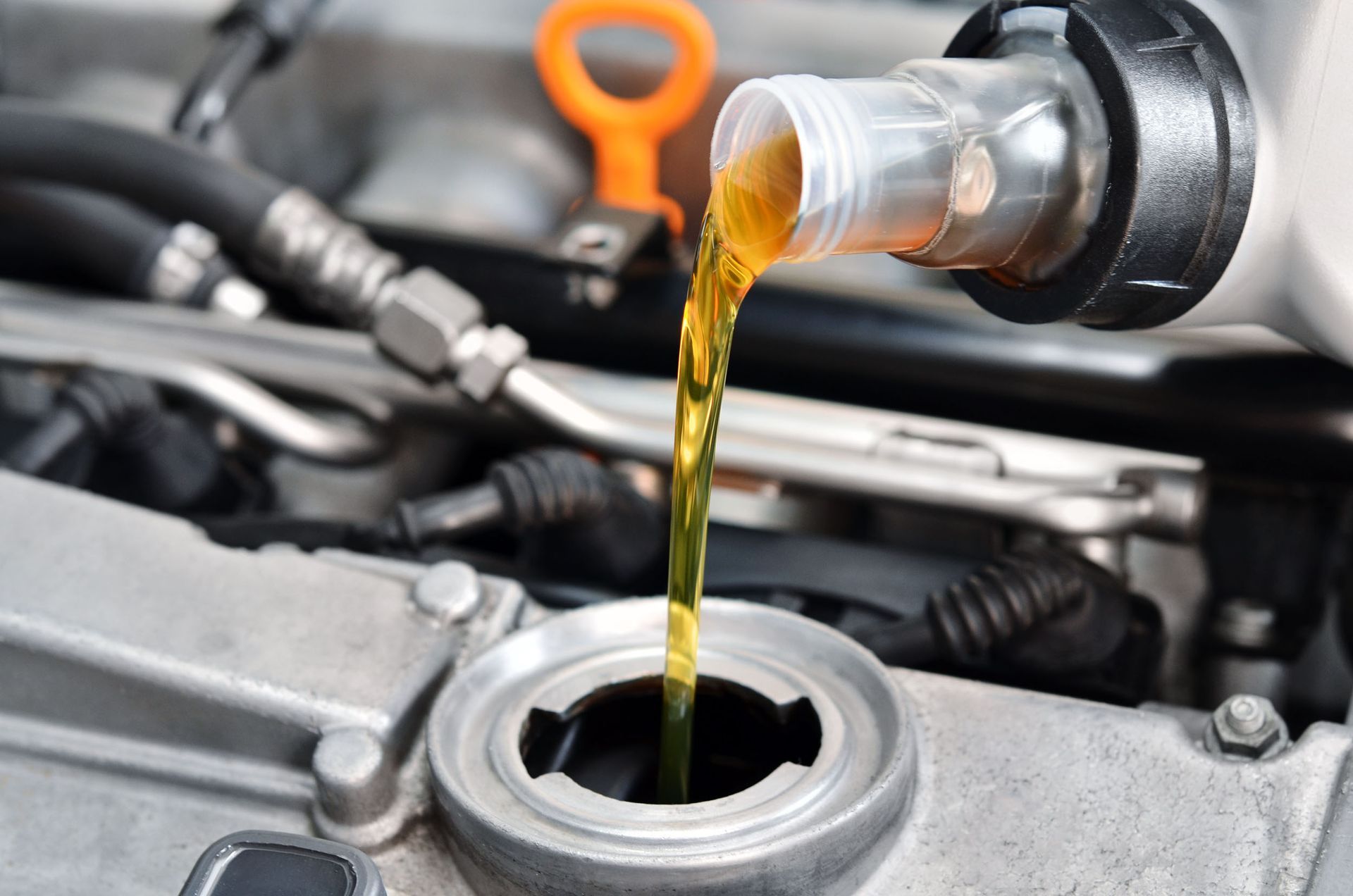
An oil change starts with choosing oil that meets the engine's specifications and figuring out when the service is due. According to Kelley Blue Book, some newer vehicles that run on synthetic oil can travel up to 10,000 miles before the next oil change. That interval can be realistic for one vehicle and too long for another. Frequent short trips or stop-and-go driving can affect which maintenance schedule applies, even for drivers who use synthetic oil.
A technician can account for the manufacturer's recommendations and how the vehicle is used. For vehicles with a time limit as well as a mileage limit, the calendar can matter even when the car sees little use. Both details help the driver plan the next visit.
2. Rebuilding an Engine
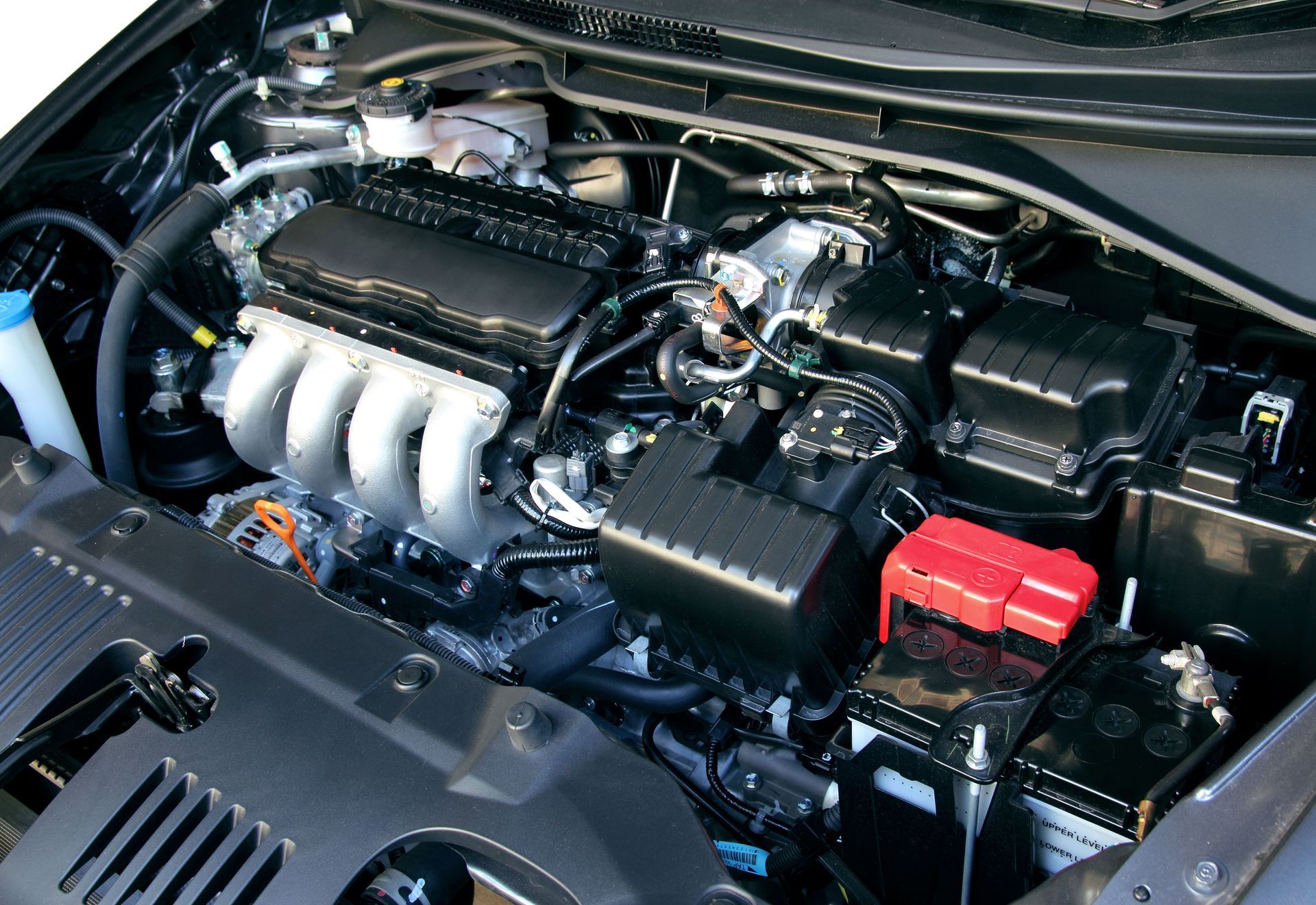
A knock from the engine or a loss of power can prompt a closer look at what's happening inside. Before recommending a rebuild, a mechanic has to determine whether the engine has internal damage and how extensive it is. An engine teardown, when warranted, lets the mechanic examine parts that can't be evaluated from the outside.
Measurements taken during that inspection help technicians at auto repair shops decide which components can be reused and which need replacing. Those measurements also matter during reassembly, when parts that fit together too tightly or too loosely can undermine the rebuild.
3. Diagnosing Shifting Problems
When an automatic transmission hesitates, the timing can tell a technician a lot. A delay when moving the selector into Drive and a jolt during an upshift give auto repair shops different clues about where to look. Whether the symptom only happens when the car is cold can also help a technician narrow down a problem that comes and goes.
A low fluid level and an internal transmission fault can both interfere with shifts, yet they call for different work. A professional diagnosis helps the driver understand whether the vehicle needs a routine fluid service, repair of a leak, or more extensive transmission work.
4. Servicing Transmission Fluid
In an automatic transmission, the fluid helps lubricate internal parts and contributes to the hydraulic operation that makes shifts possible. The correct fluid depends on the transmission design. A fluid that fails to meet the manufacturer's specifications can affect how the vehicle shifts, even if it's new.
The type of service matters as much as the fluid itself. Depending on the vehicle, the appropriate work might involve a fluid change or a flush, and the manufacturer's guidance helps determine which is suitable. A technician can match the service to the transmission and account for details like the specified fluid level.
5. Replacing Worn Brake Pads and Servicing Rotors
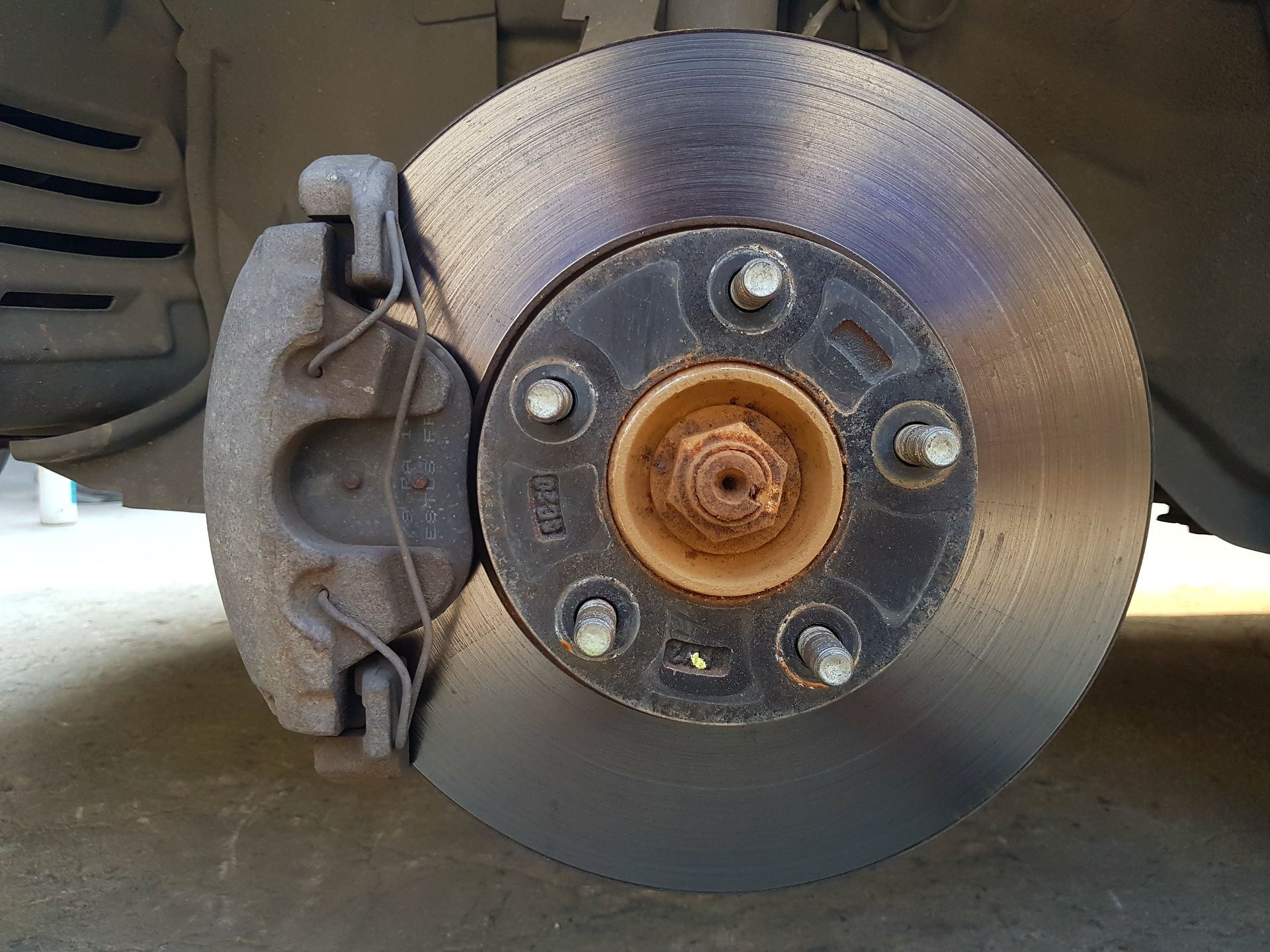
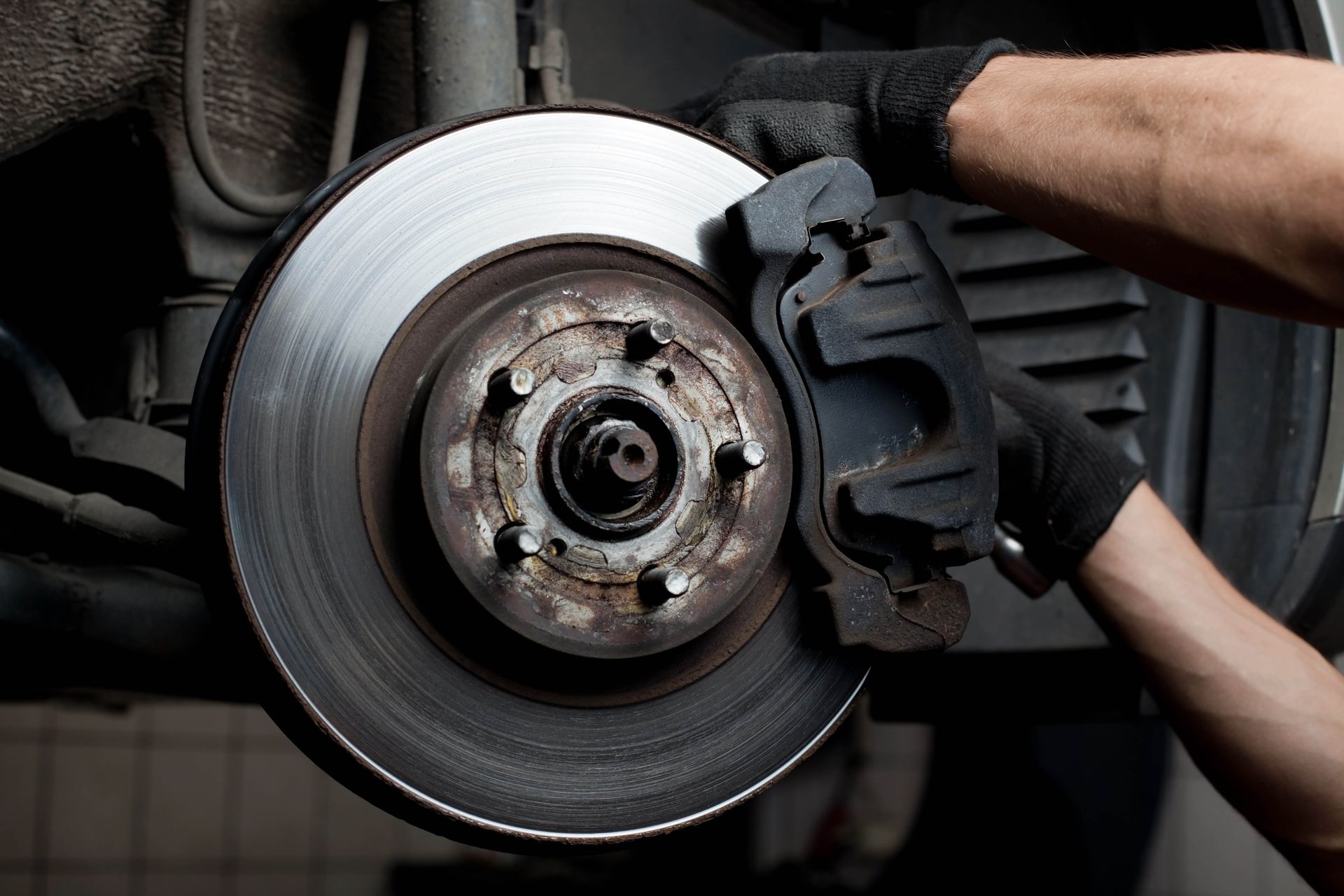
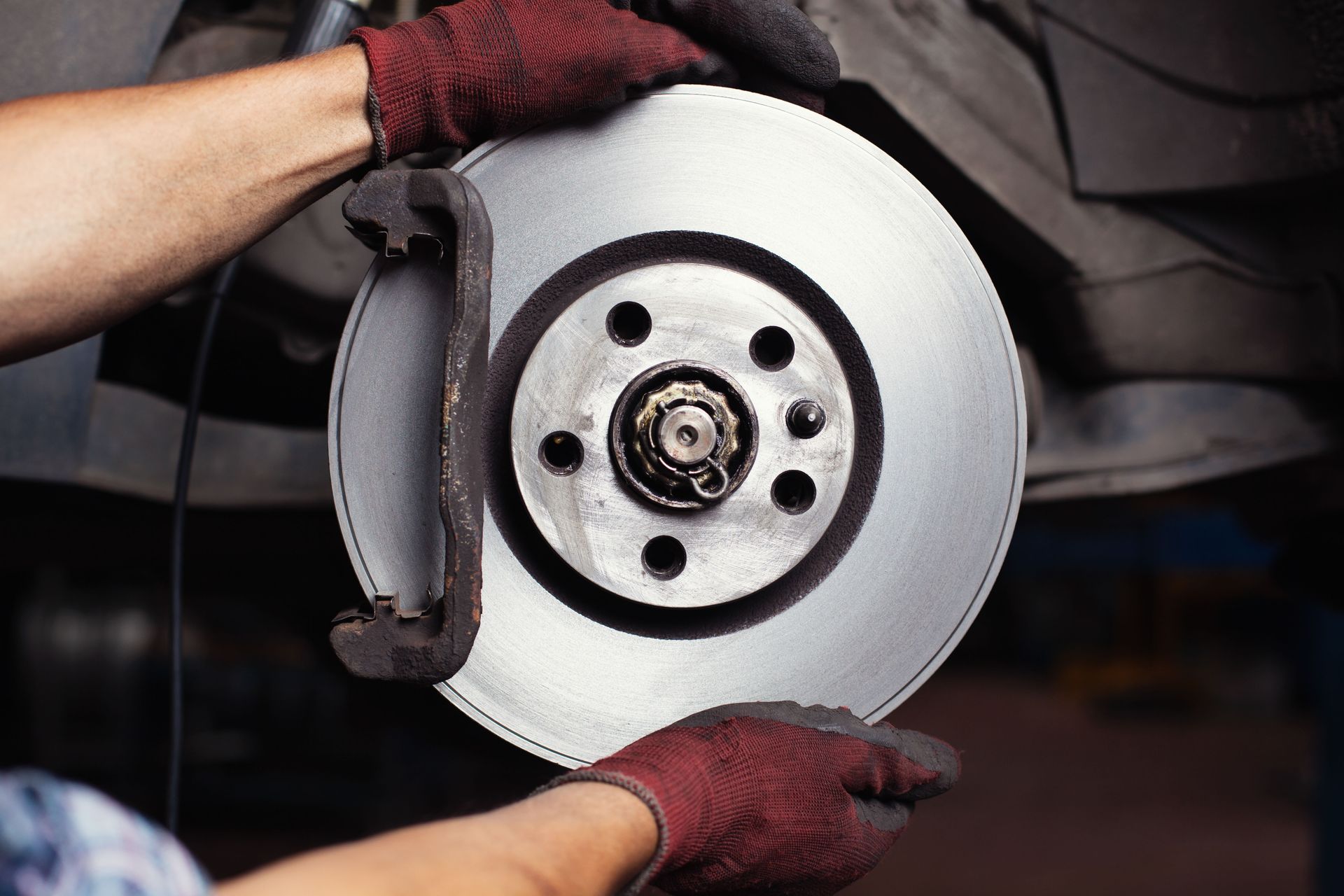
When brakes squeal or the pedal vibrates during a stop, the pads and rotors are worth examining together. They make contact every time the brakes are applied, and wear on one surface can affect the other. Replacing the pads may address worn friction material, but the rotor's condition still matters to how the new pads make contact.
At auto repair shops, technicians can measure rotor thickness and assess the braking surface. Those findings help determine whether the rotors can be resurfaced, need replacement, or can remain in service. A pad replacement alone can leave the driver with the same vibration if the rotor surface was contributing to it.
6. Replacing Brake Fluid
Pressing the brake pedal creates hydraulic pressure, which the fluid transfers through the brake system. Many brake fluids absorb moisture over time, which reduces their ability to withstand heat. That can matter during repeated braking, such as on a long downhill stretch, when the brakes have less time to cool between applications.
During a flush, the technician uses the specified brake fluid and follows the vehicle's procedure for replacing it. Trapped air can affect pedal feel and braking response, so it matters that the technician knows how to bleed the system for that particular vehicle.
7. Replacing Worn Shocks or Struts
A car that keeps bouncing after crossing a dip may have worn shocks or struts. These components control suspension movement, including how far the front end dips during braking and how quickly the body settles after a turn. Because the change can be gradual, a familiar stretch of road may be where the difference first becomes noticeable.
A suspension inspection helps pinpoint the source of that extra movement. When replacement is appropriate, a technician can fit parts matched to the vehicle's suspension design, which matters to how the car responds when its weight shifts on the road.
8. Aligning the Wheels
Wheel alignment affects how each tire meets the road as it rolls. When the angles are off, the steering wheel may sit off-center on a straight road or one edge of a tire may wear more quickly. The changes can be slight enough that the wheels still look straight while the car is parked.
The equipment at auto repair shops allows technicians to compare those measurements with the manufacturer's specifications. A technician can also check for loose or worn suspension components that could keep the wheels from holding the correct angles. That helps determine whether an adjustment alone makes sense.
9. Balancing the Wheels
At highway speeds, a small imbalance in a tire and wheel assembly can send a vibration through the steering wheel, floor, or seat. The vibration may fade as the car slows down and return when it reaches the same speed. That pattern is a useful clue when a mechanic is tracing the source of the shake.
The technician uses a balancing machine to measure the imbalance and determine where to correct it. The correction is specific to that assembly, down to the amount of weight needed and where it's placed on the wheel. With the weight distributed more evenly, the assembly can spin more smoothly.
10. Performing a Vehicle Safety Inspection
A long trip can put demands on a vehicle that rarely come up during a short commute. A safety inspection gives a technician a chance to assess the brakes, tires, steering, and suspension together. It also covers equipment like lights and wipers, which can make a bigger difference when the weather turns or a drive stretches past dark.
By looking at several systems during one visit, auto repair shops can give drivers a clearer picture of what needs attention now and what can be monitored. Having that information in advance gives the driver time to ask questions and schedule any follow-up work.
A useful service visit leaves a driver with a clear reason for the work and a sense of what to watch for afterward. That understanding makes it easier to keep up with routine care and speak up when the vehicle starts behaving differently. At Tap Automotive, we can look into changes in how your vehicle drives and explain what we find. Call or text us to talk through what you've noticed or schedule maintenance.



Share On: