
How Often Does an Auto Repair Shop Recommend Getting an Oil Change?
Maintaining the health of your vehicle is crucial, and regular oil changes play a vital role in this process. Oil changes help engines operate smoothly by reducing friction between internal components and supporting consistent performance. However, there are many misconceptions about how frequently oil should be replaced. Some drivers follow older guidelines that suggest very short intervals, while others extend service periods based on driving habits or newer vehicle technology. Understanding how oil functions and what influences its lifespan can help drivers make informed decisions about engine maintenance, often with guidance from an auto repair shop.
Functional Engine Oil
Lubricate Engine Parts
Engine oil provides lubrication for the many moving parts inside an engine. Pistons, valves, and other internal components operate under high pressure and heat, which can create significant friction. Oil forms a thin protective layer between these surfaces, allowing them to move more smoothly during operation. Maintaining clean oil helps reduce direct metal contact and lowers the risk of premature wear. Consistent lubrication supports stable engine performance over time.
Reduce Engine Heat
Engines generate substantial heat as fuel is burned and mechanical components move rapidly. Engine oil helps carry heat away from internal parts and distribute it more evenly throughout the system. This process supports temperature regulation and helps prevent localized overheating in areas such as pistons and cylinders. Maintaining proper oil condition allows this heat transfer process to function effectively. As oil degrades, its ability to manage heat can diminish.
Remove Engine Contaminants
Over time, small particles and byproducts from combustion can enter the engine oil. Dust, metal fragments, and other contaminants may accumulate as the vehicle operates. Fresh oil helps suspend these particles. This way, they can be filtered and removed from the system. Replacing oil at appropriate intervals helps prevent excessive buildup that could interfere with engine operation. An auto repair shop may also check filtration systems during routine maintenance.
Recommended Vehicle Intervals
Understand Oil Change Intervals
Vehicle manufacturers typically provide recommended oil change intervals based on the design of the engine and the expected operating conditions. These intervals may be listed in miles driven, months of use, or a combination of both. Newer engines and improved oil formulations have extended many service intervals compared to older vehicles. Reviewing the manufacturer’s guidelines helps drivers determine an appropriate starting point for maintenance. Many drivers also consult an auto repair shop when interpreting maintenance recommendations.
Recognize Situational Recommendations
Oil change recommendations can vary significantly from one vehicle to another. Engine size, driving conditions, oil type, and vehicle age may all influence maintenance schedules. For example, vehicles operating in heavy traffic or stop-and-go conditions may require more frequent service. Vehicles driven primarily on open highways may experience less stress on the engine. Understanding how driving habits affect engine conditions can help drivers adjust maintenance schedules appropriately.
Compare Conventional and Synthetic Oils
Motor oil is available in several formulations, with conventional and synthetic oils being the most common. Conventional oil is widely used and provides dependable lubrication for many engines. Synthetic oil is engineered to withstand higher temperatures and may maintain its protective properties for longer periods. Because of these differences, vehicles using synthetic oil may be able to extend the time between oil changes under certain conditions. Choosing the appropriate oil type often depends on the manufacturer’s recommendations and guidance from an auto repair shop.
Challenging Driving Conditions
Adjust for City vs. Highway Driving
Overall, driving conditions can influence how quickly engine oil degrades. Vehicles driven primarily in city traffic often experience frequent stops, idling, and short bursts of acceleration. These conditions can place additional stress on the engine and may cause oil to deteriorate more quickly. Highway driving typically involves more consistent speeds and fewer interruptions. Understanding how a vehicle is typically used can help determine whether shorter or longer oil change intervals are appropriate.
Adapt Oil Change Intervals
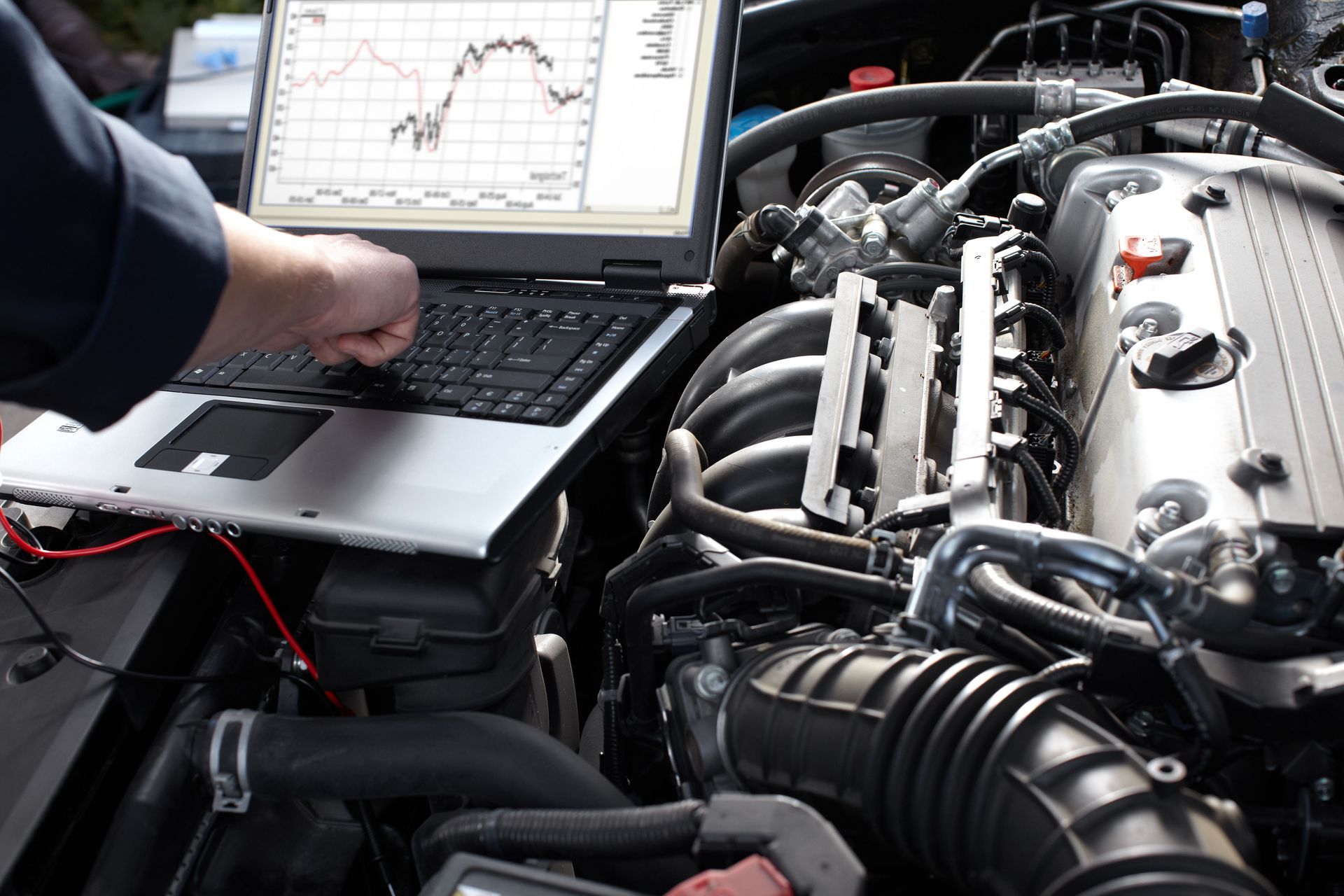
Some vehicles include onboard monitoring systems that estimate when maintenance should occur. These systems evaluate factors such as engine temperature, driving behavior, and operating time. By analyzing this data, the system can notify drivers when an oil change may be approaching. According to WhipAround, there are over 5,000 diagnostic trouble codes that can be recorded from cars. An auto repair shop can interpret diagnostic information and help determine when maintenance should be scheduled.
Handle Extreme Weather
Environmental conditions can also affect engine oil performance. Extremely cold temperatures may cause oil to thicken, making it harder for the oil to circulate during engine startup. High temperatures can accelerate the breakdown of oil components over time. Vehicles operating in regions with significant seasonal temperature changes may require closer monitoring of oil condition. An auto repair shop may review maintenance needs when vehicles experience demanding environmental conditions.
Warning Oil Signs
Monitor Oil Change Warning Lights
Many vehicles include dashboard indicators designed to alert drivers when maintenance may be needed. Oil-related warning lights may appear when the system detects changes in oil pressure, oil level, or maintenance intervals. Responding to these indicators promptly can help prevent engine stress. Ignoring warning lights may allow small issues to develop into larger mechanical problems. An auto repair shop can inspect the vehicle and identify the source of these alerts.
Investigate Unusual Engine Noises
Unfamiliar engine sounds may also suggest that lubrication conditions are changing. Ticking or knocking sounds can sometimes occur when internal components are not receiving adequate lubrication. While many factors can cause engine noise, oil condition is one possible contributor. Investigating unusual sounds early can help determine whether maintenance may be required. An auto repair shop can perform inspections to identify possible mechanical concerns.
Risky Delayed Oil Changes
Prevent Increased Engine Wear
Allowing oil to remain in service beyond recommended intervals can gradually increase engine wear. As oil ages, its viscosity and protective qualities may decline. Reduced lubrication can increase friction between moving components. Over time, this additional friction may contribute to mechanical deterioration. Maintaining appropriate oil change intervals helps support consistent engine performance.
Improve Fuel Efficiency
When engine oil loses its effectiveness, internal resistance may increase. The engine may need to exert more effort to maintain the same level of performance. Increased effort can translate into higher fuel consumption under certain conditions. Maintaining clean oil helps support smoother mechanical movement within the engine. Consistent maintenance may help preserve efficient fuel use.
Advanced Automotive Technology
Use Engine Monitoring Systems
Modern vehicles often include onboard monitoring systems that track engine performance and operating conditions. These systems evaluate factors such as engine temperature, operating time, and driving behavior. Based on this data, the system can provide maintenance reminders to the driver. These alerts help ensure that maintenance occurs when conditions indicate it may be needed. Monitoring technology helps drivers stay aware of engine performance.
Apply Advances in Oil Formulations
Motor oil formulations have evolved significantly over time. Newer oils are designed to maintain stable performance under a wider range of operating conditions. Improvements in additive packages and refining processes have enhanced oil durability. These developments allow many engines to operate longer between maintenance intervals than earlier vehicles. Drivers may also consult an auto repair shop to determine which oil formulation is appropriate for specific engines.
Determining how often to change engine oil depends on several factors, including manufacturer recommendations, driving habits, environmental conditions, and vehicle technology. Monitoring oil condition and responding to warning indicators can help drivers support consistent engine performance and avoid unnecessary strain on internal components. When questions arise about maintenance timing, a professional inspection can provide helpful insight into the condition of the engine and related systems. Understanding how oil contributes to engine health allows vehicle owners to make informed maintenance decisions over time. To learn more about inspections, diagnostics, and engine-related services, consider reaching out to Tap Automotive.



Share On: