
Why You Should Never Ignore Strange Noises From Your Car
Every vehicle has its own unique rhythm and set of sounds that feel familiar to the driver. Over time, you become accustomed to the gentle hum of the engine. However, when a new sound enters the mix, it serves as a primary warning system that something under the hood or chassis requires attention. Ignoring these auditory cues is often a recipe for mechanical failure and increased stress. Taking the time to acknowledge an unusual rattle, squeak, or clunk can be the difference between a minor adjustment and a complete breakdown. Understanding that your car is trying to communicate its needs is the first step in maintaining a reliable vehicle and ensuring your daily travels remain uninterrupted.
Understanding the Danger of Persistent Engine Ticking
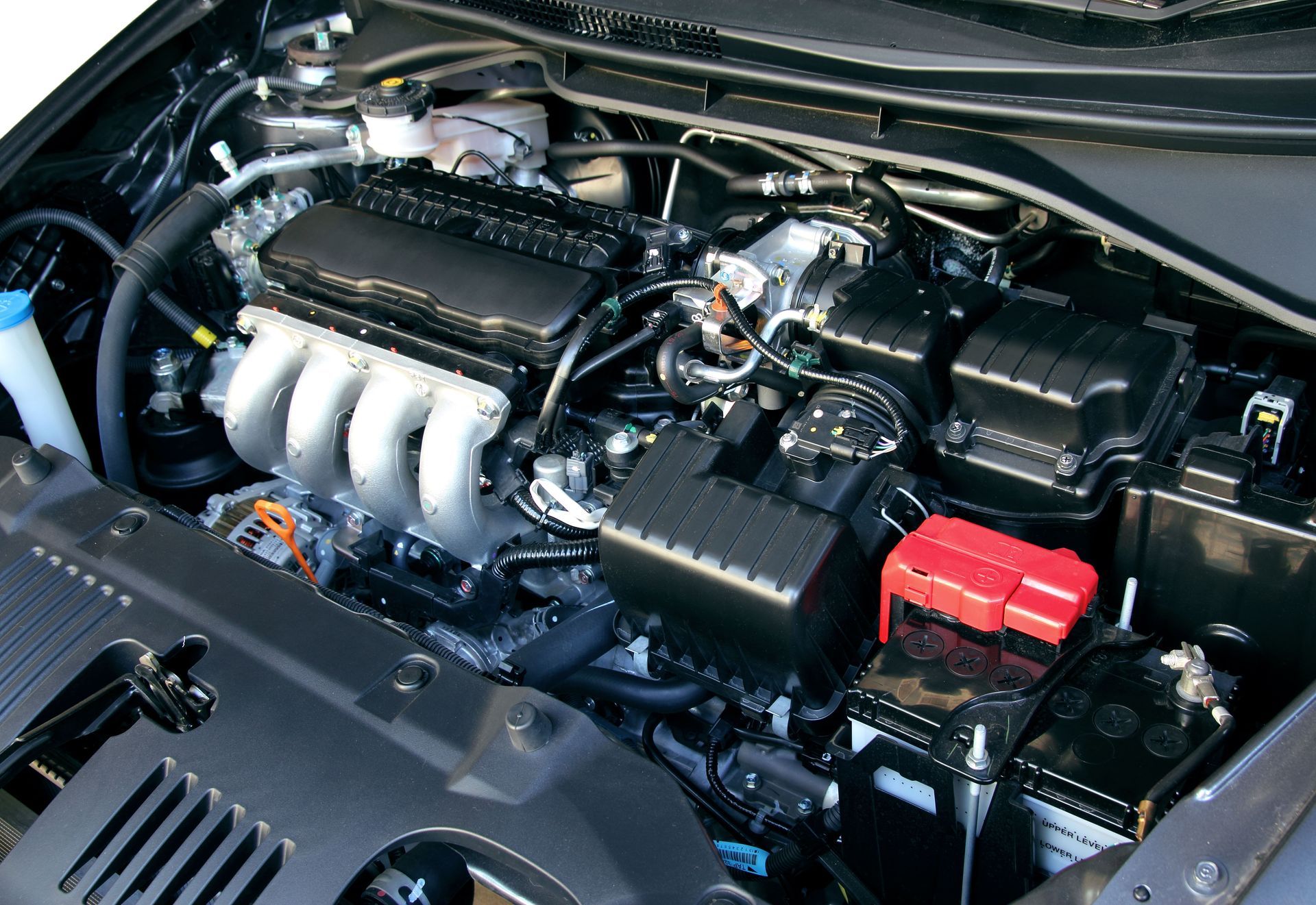
A ticking or tapping sound coming from the engine bay is frequently a sign that the internal components are not receiving proper lubrication. This sound often indicates low oil pressure or worn valves that are struggling to function smoothly. When you hear this specific noise, reaching out to a professional auto repair shop is the most effective way to diagnose the root cause before internal friction causes permanent damage. Metal-on-metal contact within an engine can lead to catastrophic failure in a very short amount of time. Professional technicians have the diagnostic tools necessary to verify oil pressure levels and inspect the valvetrain to ensure everything is moving as intended.
Hearing Squealing Belts and Cooling System Risks
A high-pitched squeal that occurs when you start the car or accelerate is usually a cry for help from the serpentine belt. This belt is responsible for powering essential systems like the alternator, power steering pump, and water pump. If the belt slips or snaps, your car will lose power and likely overheat within minutes. Visiting a local auto repair shop allows a mechanic to check the tension and condition of the rubber to prevent a total loss of functionality. Modern belts are designed to last for many miles, but environmental factors can cause them to crack or stretch prematurely, necessitating a professional replacement.
Noticing Grinding Noises During Braking
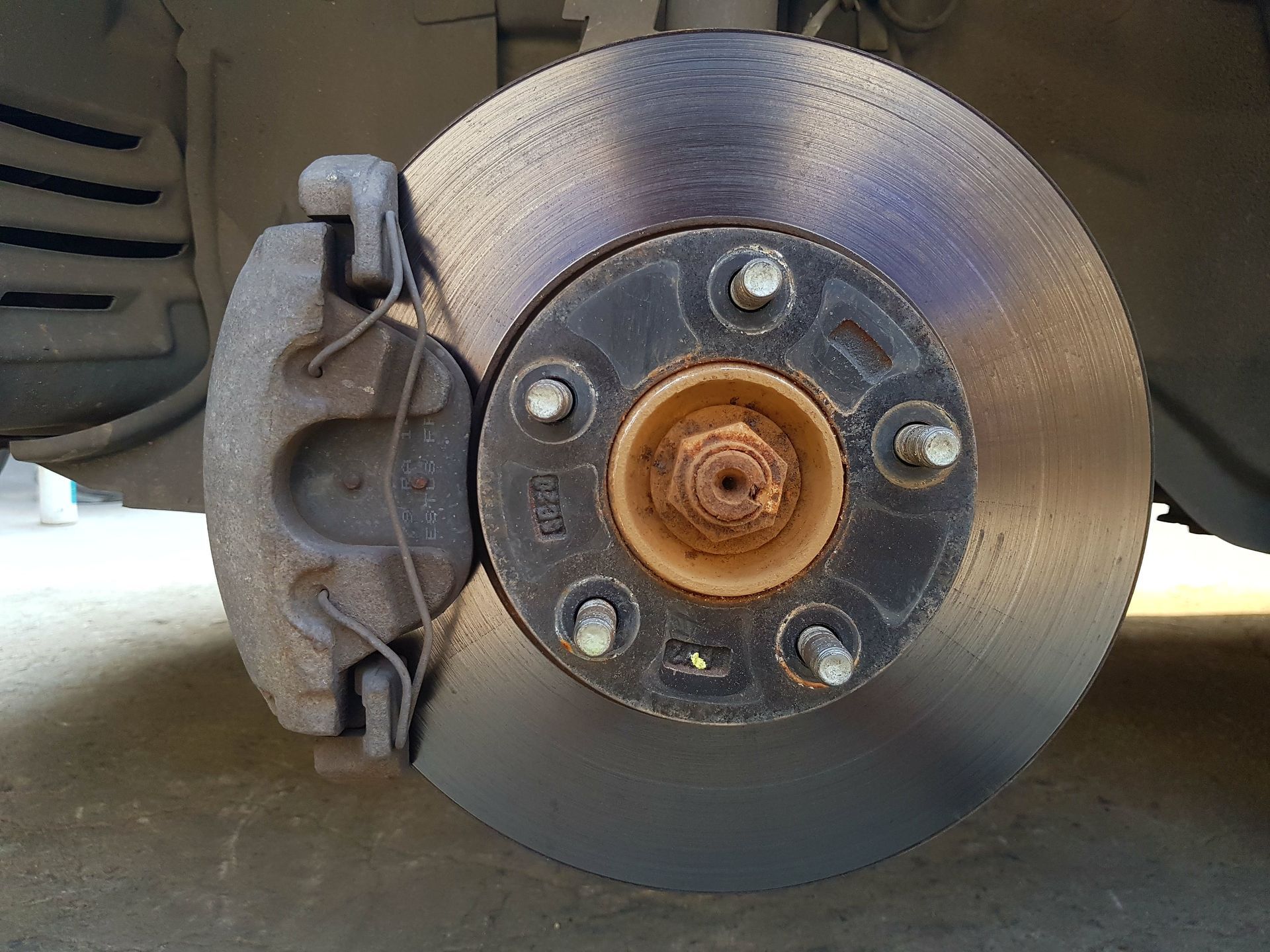
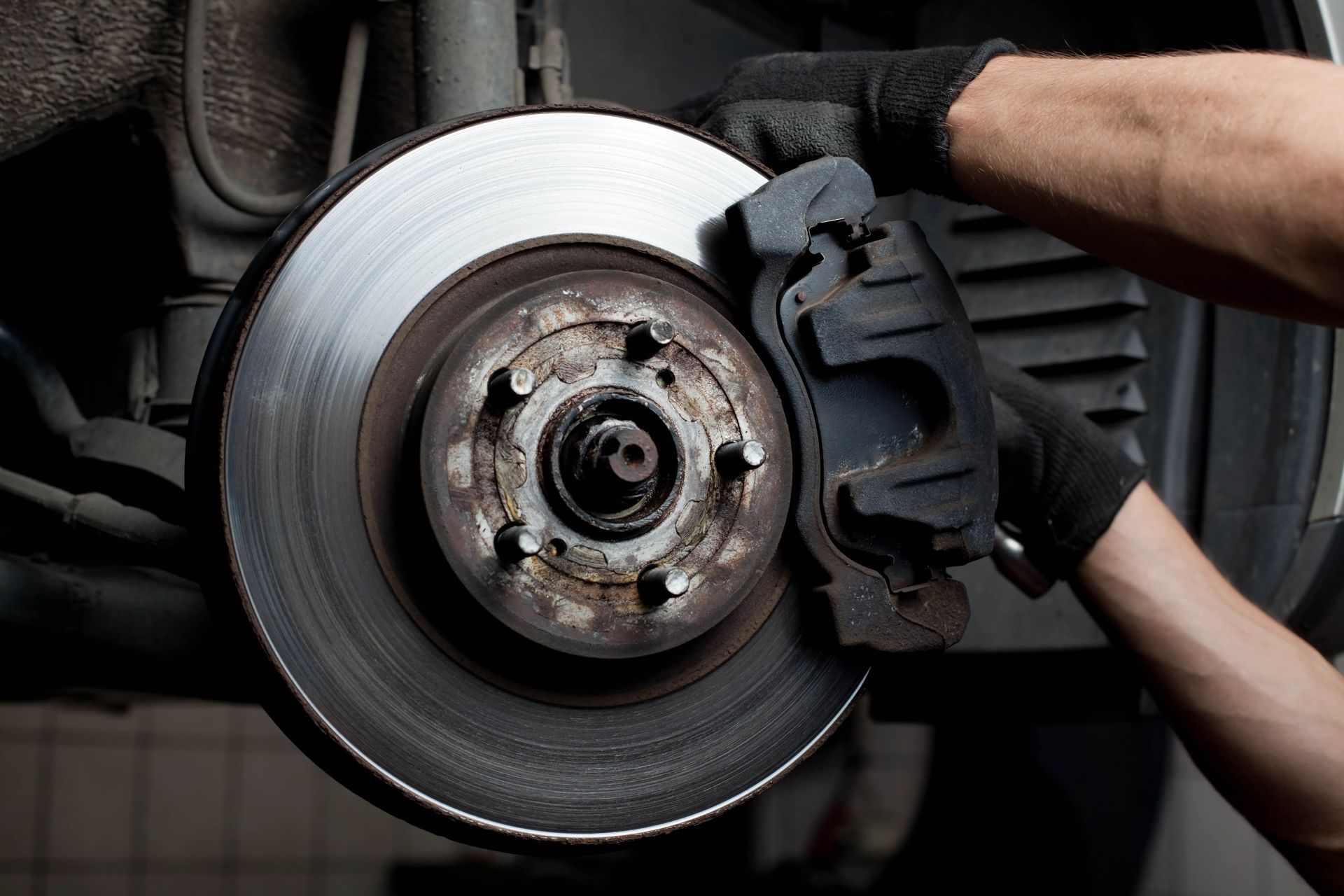
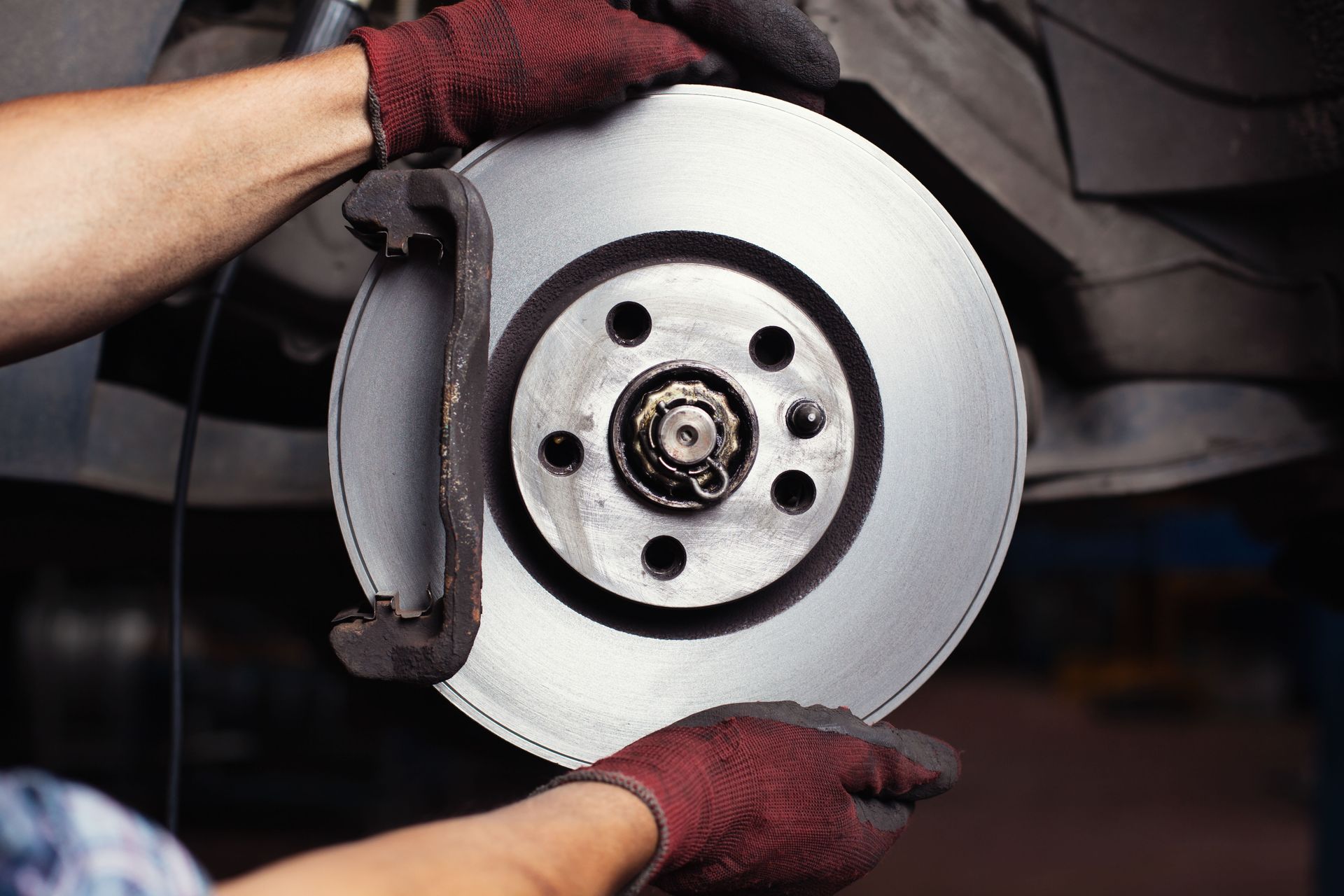
Brakes are arguably the most critical safety feature on any vehicle, and they are designed to give off specific sounds when they are worn. A harsh grinding noise typically means the brake pads have been completely exhausted, and the metal backing plate is now rubbing directly against the rotor. This metal-on-metal contact significantly reduces your stopping power and can cause the rotors to warp or crack. An auto repair shop can perform a comprehensive brake inspection to determine if you simply need new pads or if the entire system requires a more extensive overhaul. Catching this early ensures that your safety is never compromised during sudden stops.
Hearing Clunking Sounds Going Over Bumps
If you notice a heavy clunking or banging sound whenever you drive over a pothole or speed bump, your suspension system is likely the culprit. Components such as struts, ball joints, and control arm bushings take a lot of abuse from the road and eventually wear out. When these parts fail, they can cause the vehicle to handle unpredictably or lead to uneven tire wear. Scheduling an appointment at an auto repair shop ensures that a technician can put the vehicle on a lift and inspect the suspension geometry. Maintaining these components is vital for both comfort and the structural integrity of the vehicle frame.
Understanding the Reality of Annual Mileage Stress
The wear and tear on a vehicle is directly related to how much it is used on a daily basis. According to the Federal Highway Administration, the average driver covers 13,596 miles per year. This significant amount of travel means that parts like bearings, seals, and gaskets are constantly subjected to heat and vibration. Because we spend so much time on the road, it is easy to become desensitized to small changes in how the car sounds. However, an auto repair shop can provide a fresh set of ears to detect issues that have slowly developed over those thousands of miles. Regular professional checkups help manage the inevitable aging process of a high-mileage vehicle.
Hearing Hissing Sounds and Fluid Leaks
A hissing sound coming from the engine compartment after you turn off the car often indicates a leak in the cooling system or a vacuum line. If coolant is escaping from a pressurized hose, it can spray onto hot engine parts and create steam. This not only leads to overheating but can also damage sensitive electrical components located nearby. Taking the car to an auto repair shop as soon as you notice this sound can prevent a major coolant loss event on the highway. Technicians use pressure tests to find the exact location of the leak, ensuring that the repair is precise and prevents future overheating issues.
Noticing Whirring or Gremlins in the Transmission
Transmission issues often start as a faint whirring or humming noise that changes pitch as the vehicle shifts through gears. Because the transmission is a highly complex assembly of gears and hydraulic fluid, any change in sound should be taken seriously. A reputable auto repair shop can check the fluid levels and scan the vehicle computer for any hidden codes related to gear ratios or pressure sensors. Early detection of transmission trouble can often lead to simple fluid services rather than a full rebuild. Protecting this expensive component is a priority for anyone looking to extend the life of their car.
Hearing Exhaust Roars and Cabin Safety
An exhaust leak usually manifests as a loud roaring or growling sound that seems to come from underneath the vehicle. While a louder exhaust might seem like a minor annoyance, it can actually allow dangerous carbon monoxide fumes to enter the passenger cabin. Additionally, a hole in the exhaust system reduces fuel efficiency and can cause the engine to run poorly. An auto repair shop can weld patches or replace sections of the pipe to ensure the system is sealed and venting gases properly. Keeping the exhaust quiet and contained is essential for both environmental compliance and the health of the passengers.
Noticing Vibrations Accompanied by Humming
When a wheel bearing begins to fail, it often produces a low-frequency hum that gets louder as the vehicle increases in speed. This sound may also be accompanied by a slight vibration in the steering wheel or floorboards. Wheel bearings are what allow your tires to spin freely with minimal friction, and a failure can lead to a wheel seizing or even detaching in extreme cases. An auto repair shop has the expertise to identify which specific wheel is the problem and replace the hub assembly safely. Addressing a bad bearing early prevents further damage to the axle and braking components.
Ignoring the warning signs your car provides through sound is a risk that rarely pays off. Whether it is a simple belt adjustment or a more complex internal repair, addressing noises promptly is the hallmark of a responsible vehicle owner. By trusting a professional auto repair shop to handle these concerns, you ensure that your car remains a safe and dependable tool for your daily life. Taking action at the first sign of trouble preserves the integrity of your engine, protects your passengers, and keeps your long-term maintenance costs manageable. Your car works hard to get you where you need to go, and listening to what it has to say is the best way to return the favor.
For expert assistance with any strange sounds your vehicle is making, contact the team at Tap Automotive today.

Share On: