
How to Tell When It's Time for Brake Replacement
Understanding precisely when to replace your car's brakes is crucial for ensuring safety, maintaining legal compliance, and achieving optimal on-road performance. This article will guide you through the primary auditory, physical, and operational signs that indicate it's time to have your worn brakes replaced. We will also analyze the hidden hydraulic mechanics behind these failure points, the severe financial consequences of delaying basic maintenance, and the ongoing preventive measures you can undertake as a responsible car owner. Staying informed ensures you are driving safely at all times. Recognizing the early warning signs of progressive brake wear and tear can save you thousands of dollars and protect your passengers from dangerous, high-risk highway emergencies. By routinely checking your vehicle's friction components and understanding systemic warning indicators, you become an educated, proactive car owner.
Recognizing the Audible Warning Signs
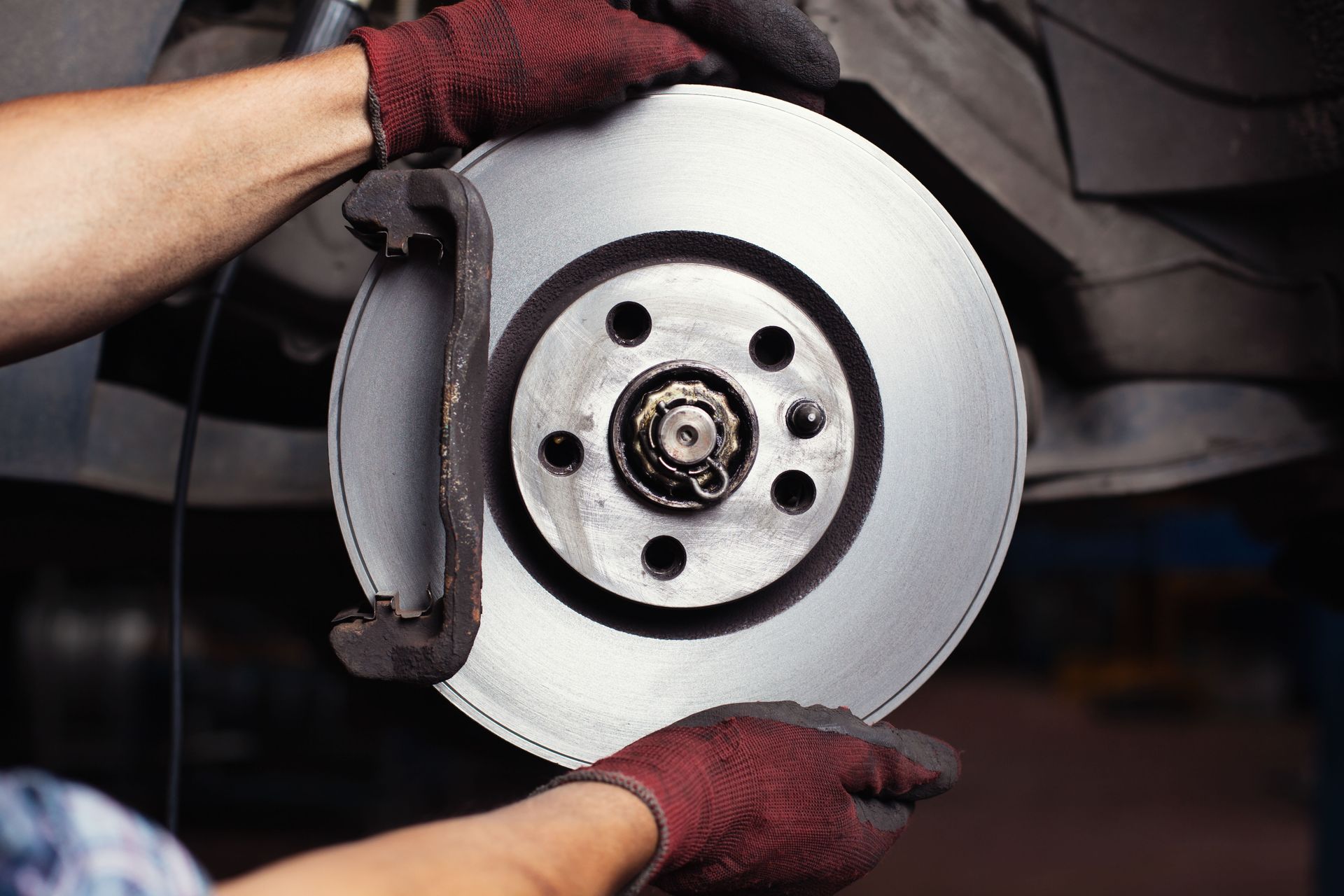
Screeching or squealing sounds are almost always the first definitive sign that your friction material needs professional attention. These high-pitched noises occur when your brake pads have worn down past a safe thickness, exposing a built-in metal tab indicator designed specifically to scrape against the rotor face. If you notice consistent screeching when applying pressure, it is vital to schedule immediate inspection and potential brake repairs. Ignoring this early mechanical alert causes rapid structural wear, leading directly to deep rotor scoring or catastrophic hydraulic failure. Proactively scheduling necessary repairs at this stage keeps your ongoing maintenance bills low and prevents secondary component damage.
Deep metal-to-metal grinding noises are far more concerning than faint squeals. This structural sound indicates that your backing plates are scraping directly against the cast-iron rotor surfaces because the friction pads are completely gone. Continuing to drive under these extreme conditions severely damages the rotors, causes deep thermal cracking, and drastically reduces your overall stopping power. According to Gitnux, brake repair accounts for about 25% of all auto repairs annually. This statistic underscores why addressing these grinding sounds promptly through professional repairs is vital to your wallet and your safety.
A distinct pneumatic hissing sound when depressing your pedal points toward vacuum leaks within the power brake booster. This critical component utilizes engine vacuum to multiply the physical force you apply to the master cylinder. When a leak develops, the booster can no longer provide adequate pressure assistance, forcing you to stomp down much harder to slow the car. Budgeting for early diagnostic checks and targeted brake repairs prevents unexpected brake fade. Including comprehensive pneumatic checks in your routine vehicle maintenance schedule mitigates these dangerous driving hazards completely.
Unusual clicking sounds heard during low-speed stopping often mean that your pads have come loose inside their caliper brackets or that the small anti-rattle retention clips have snapped. While this alignment issue might not immediately stop you from slowing down, it causes uneven friction wear, damages the caliper pins, and creates unwanted vibration. Resolving these minor hardware misalignments quickly through basic repairs prevents uneven structural wear on your pads. Ensuring all hardware components are tightly secured remains a foundational element of safe car ownership.
Low-frequency honking or groaning noises during low-speed modulation typically point to severe pad glazing or extreme dust accumulation inside the caliper assembly. When friction material is subjected to sustained high temperatures, its surface can vitrify into a slick, glass-like finish that lacks adequate grip. Scheduling routine cleanings and pad de-glazing during standard brake repairs resolves these performance issues safely. Monitoring your vehicle's auditory cues helps keep your long-term repair bills highly predictable.
Understanding the Physical Indicators
Brake pedal vibration or a pulsating sensation through your steering wheel is a physical indicator that your rotors have suffered severe thermal warpage. When pads ride over these warped, uneven surfaces, they bounce rapidly, sending hydraulic feedback through the fluid lines directly to your foot. This warpage occurs when excessive heat builds up from hard braking or descending steep grades with heavy cargo. Taking fast action and organizing professional brake repairs ensures your vehicle stops smoothly without shaking.
Reduced pedal responsiveness is a dangerous condition where your pedal feels unusually "spongy" or sinks all the way to the floorboards under pressure. This physical symptom indicates severe air contamination in the fluid lines or an internal hydraulic pressure leak inside the master cylinder. Because hydraulic fluid is non-compressible, any air bubbles inside the lines will compress under your foot, absorbing the force that should be clamping your calipers shut. Resolving this issue through fluid flushes and repairs restores your confidence behind the wheel.
If your vehicle pulls sharply to the left or right when you apply the brakes, you are likely dealing with a frozen caliper piston or a collapsed flexible fluid line. When a caliper sticks, it applies unequal stopping force across the front axle, dragging the vehicle toward the side that is grabbing harder. Booking professional brake repairs restores proper pressure distribution across your axles.
You can easily verify the physical health of your friction material through a quick visual inspection through your wheel spokes. If the pad material measures thinner than a quarter-inch, it must be replaced immediately to protect your rotors from damage. Catching this thinning material early lets you plan simple pad changes, avoiding the high cost of a full systemic rebuild.
A sudden drop in your master cylinder reservoir fluid levels usually signals an active leak in the lines or extreme pad wear, as calipers must extend further to compensate for thin pads. Driving with low fluid can introduce air into the master cylinder, resulting in total loss of stopping power. Staying proactive with routine fluid top-offs and targeted brake repairs protects your entire mechanical assembly from premature wear.
Monitoring the Vehicle’s Performance
Noticing that your car requires significantly more physical space to come to a complete stop is a critical warning sign that your friction material has suffered severe thermal degradation. Worn-out lining materials cannot create the necessary friction coefficient against the rotor face, creating an immediate highway collision hazard. Car owners must track this performance deficit carefully and seek out professional brake repairs to restore their original stopping parameters.
Frequently towing heavy trailers or hauling heavy cargo beds increases the kinetic energy your vehicle must dissipate during every stop, accelerating pad and rotor wear. This extreme operational stress requires heavy-duty friction materials and more frequent inspections to catch thermal breakdown early. Prioritizing timely system checks and regular repairs protects your drivetrain from premature structural fatigue.
Stop-and-go city traffic, corrosive winter road salt, and abrasive gravel dust expedite mechanical degradation within your calipers and slides. Over time, road contaminants embed themselves into the moving parts of your brakes, causing them to stick or wear unevenly. Scheduling periodic slider lubrication and component flushes shields your vehicle from environmental rust.
The sudden activation of your dashboard brake warning light is an absolute safety alert that should never be ignored or dismissed. This light triggers when the fluid level drops below a safe baseline or when electronic wear sensors detect fully depleted pads. Responding immediately by arranging professional diagnostic checks prevents complete system failure on the road.
Your vehicle's braking system is its single most critical safety feature, and keeping it in pristine operating condition requires consistent vigilance, timely inspections, and high-quality replacement parts. Recognizing the early warning signs of mechanical wear—from high-pitched squeals to a spongy pedal—empowers you to address minor component failures before they escalate into dangerous road emergencies. Investing in routine maintenance and professional brake repairs preserves your vehicle's resale value, protects your passengers, and ensures predictable performance under any driving condition. When you need a certified team that combines precise mechanical diagnostics with premium craftsmanship, look no further than the automotive experts at Tap Automotive to service your vehicle and keep you safe on the road ahead.

Share On: