
4 Reasons Why You Shouldn't Delay Auto Brake Repair
Understanding the critical role of brake systems in vehicle safety, the importance of timely maintenance, and the potential risks of delaying necessary repairs is vital. Brake systems are fundamental components that not only ensure vehicle control but also safeguard lives on the road. Timely maintenance and repairs prevent escalating problems that can culminate in catastrophic failures. Therefore, diving deeper into why auto brake repair should never be postponed is essential for every vehicle owner.
1. The Critical Role of Brakes in Vehicle Safety
1.1 Fundamental Functions of Vehicle Braking Systems
Braking systems are designed to slow down or stop a vehicle safely and promptly. They work by converting kinetic energy into heat energy, which is then dissipated, bringing the vehicle to rest. The primary function is to provide the driver with control over the vehicle's speed in various driving conditions. This control is crucial not only for the driver's safety but also for pedestrians and other vehicle users. A well-functioning brake system ensures that the vehicle can stop effectively in emergency situations or during regular traffic stops.
1.2 Variations Among Different Brake Systems
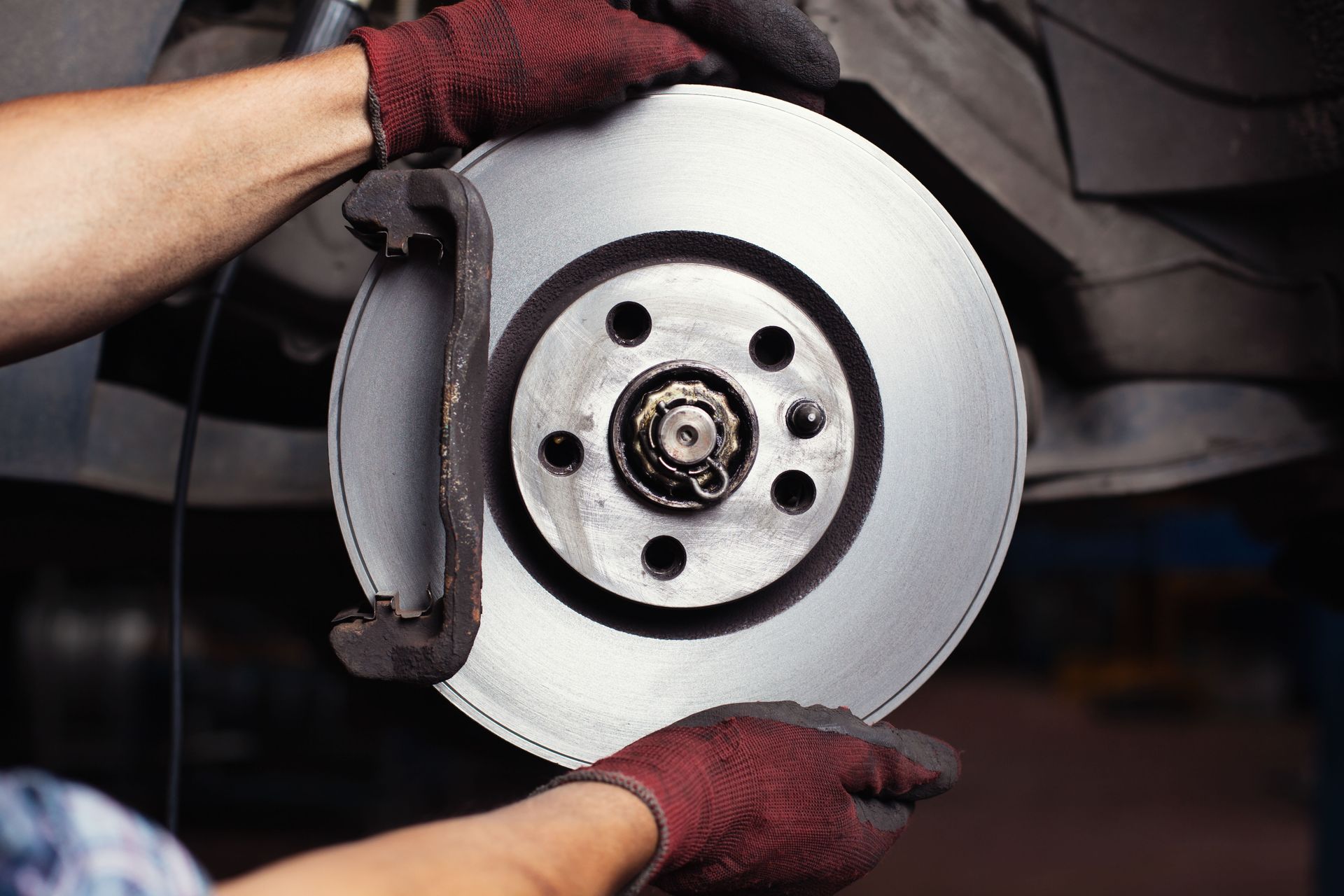
There are several types of brake systems, including disc brakes, drum brakes, anti-lock braking systems, and regenerative brakes. Each system has its own mechanisms and advantages, tailored to different types of vehicles and driving needs. Disc brakes, for instance, are known for their superior performance and efficiency under high-speed conditions. Drum brakes, on the other hand, are typically more cost-effective and are used in smaller, lighter vehicles. Understanding these variations is essential to appreciate how they contribute to vehicle safety and performance.
1.3 How Brake Efficiency Impacts Overall Vehicle Performance
Effective braking enhances the overall performance of a vehicle by ensuring safety and handling precision. A responsive braking system allows for smoother driving experiences and reduces wear and tear on other vehicle parts. This can enhance fuel efficiency, as a well-maintained brake system reduces unnecessary strain on the engine. Moreover, it contributes to the longevity of the vehicle by preventing mechanical stress. Therefore, the efficiency of brakes is directly linked to the performance and durability of the vehicle.
1.4 Direct Correlation Between Brake Condition and Safety
There is a direct correlation between the condition of brakes and road safety. A slight delay or failure in brake response can result in accidents, which can be dangerous or even fatal. Regular brake maintenance ensures that all components are in optimal working condition, reducing the risk of malfunction. The assurance of functional brakes provides peace of mind and confidence when driving. Safety on the road is highly dependent on the reliability and performance of the vehicle's brakes.
2. Indicators of Worn-Out Brakes
2.1 Unusual Noises: Squealing, Grinding, and Others
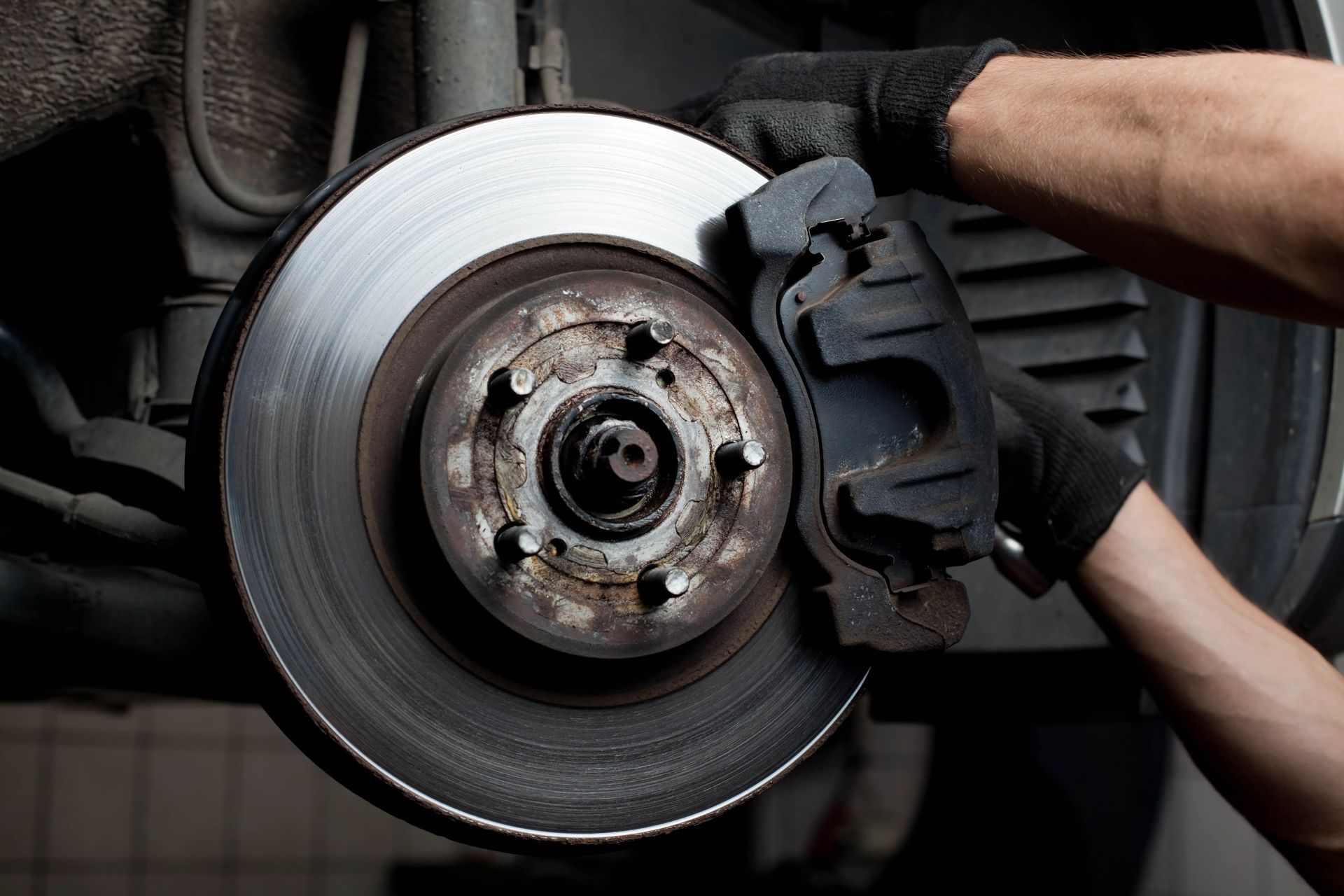
Unusual noises such as squealing or grinding often indicate that the brake pads are worn out. Squealing typically occurs when brake pads have worn down to a level that the wear indicator makes contact with the rotor. This is a warning signal that should not be ignored, as it highlights the need for immediate replacement. Grinding noises, by contrast, suggest that the brake pad's material is completely worn away, potentially causing damage to the rotor. Attending to these noises early can prevent more severe damage and ensure safe driving conditions.
2.2 Vibration or Pulsation in the Brake Pedal
A vibrating or pulsating brake pedal is another indicator of brake issues. This sensation often arises when the rotors are warped or unevenly worn. When the brake pads contact these uneven surfaces, they cause the pedal to vibrate. Such conditions are typically the result of high-friction heat or substantial, uneven pressure applied to the braking system. Addressing the root cause of these vibrations promptly can prevent further damage to the braking system.
2.3 Increased Stopping Distances
Increased stopping distances are a clear sign that the braking system is compromised. This could result from worn brake pads, fluid leaks, or air in the brake lines. When a vehicle takes longer than usual to come to a complete stop, the risk of an accident significantly increases. It's crucial to address the issue immediately to restore the vehicle's stopping power. Proactive maintenance ensures that this symptom doesn't evolve into a more costly and dangerous issue.
2.4 Noticeable Differences in Brake Responsiveness
Changes in brake responsiveness can be alarming and indicate issues within the braking system. If the brake pedal feels spongy or requires more pressure than usual, there might be a problem with the hydraulic system or brake fluid. This can compromise the driver's ability to stop the vehicle effectively, posing safety risks. Immediate attention is required to diagnose and rectify the cause of this change. Ensuring responsive brakes enhances driver confidence and road safety.
3. Consequences of Delayed Brake Repair
3.1 Increased Accident Risks
Delaying auto brake repair can dramatically increase accident risks. Faulty brakes can cause the driver to lose control over the vehicle in critical situations. The inability to stop the vehicle promptly can lead to collisions, endangering the lives of the driver, passengers, and others. Statistically, brake issues are a significant contributor to traffic accidents. Ensuring timely brake repairs is paramount to minimizing these risks and ensuring road safety.
3.2 Escalating Repair Costs Over Time
Procrastinating auto brake repair often results in escalating repair costs. Initial minor fixes may evolve into severe problems requiring extensive and costly repairs if neglected. For example, ignoring worn brake pads can lead to damaged rotors, multiplying repair expenses significantly. According to Gitnux, brake repair accounts for about 25% of all auto repairs annually, highlighting its prominence and the cost implication of neglect. Addressing brake repairs promptly is more cost-effective in the long run.
3.3 Damage to Other Vehicle Components
Neglected auto brake repair can cause harm to other vehicle components. When brakes malfunction, additional strain is placed on related systems, leading to further damage. For instance, compromised brakes can affect suspension and steering components due to uneven forces. This chain reaction of damage increases the necessity and cost of additional repairs. Preventative maintenance helps avoid collateral damage and preserves vehicle integrity.
4. Financial Implications of Ignoring Brake Maintenance
4.1 Understanding Short-term vs. Long-term Repair Costs
Understanding short-term versus long-term repair costs is key when considering brake maintenance. Short-term repairs, such as replacing brake pads, are relatively low-cost compared to long-term consequences. Ignoring these small repairs can result in more severe issues like damaged rotors, which are significantly more expensive. This highlights the importance of addressing minor issues before they escalate. Long-term maintenance savings become apparent when consistent care is prioritized over emergency repairs.
4.2 Comparing Routine Maintenance Costs Against Major Repairs
Routine brake maintenance costs pale in comparison to major repair expenses. Routine tasks like pad replacements and system checks are minimal compared to replacing entire systems due to neglect. A consistent maintenance schedule prevents drastic and unforeseen expenses while ensuring safety and reliability. Vehicle owners who prioritize maintenance avoid the sticker shock associated with costly emergency repairs. Financial foresight is best exercised through preemptive brake maintenance.
4.3 Cost Comparison with Other Vehicle Maintenance Systems
The cost of brake maintenance is relatively affordable when compared with other vehicle systems. Components like brakes, although crucial, often require less frequent replacements and involve less complex procedures. In contrast, engine or transmission repairs can be exorbitantly expensive. Budgeting for regular brake maintenance is a prudent fiscal strategy that provides safety while managing overall automotive expenses. This understanding underscores the financial value of regular brake system upkeep.
Addressing brake issues promptly is essential to ensure vehicle safety, financial savings, and peace of mind. The environmental and health impacts of good brake maintenance underscore the broader implications of neglect. Regular inspections, timely repairs, and informed component selection contribute to driver safety and vehicle longevity. By recognizing the signs of wear, prioritizing routine care, and leveraging technologies, vehicle owners can mitigate risks effectively. If you need auto brake repair, contact Tap Automotive today.

Share On: